
About Remote Horizons Photography
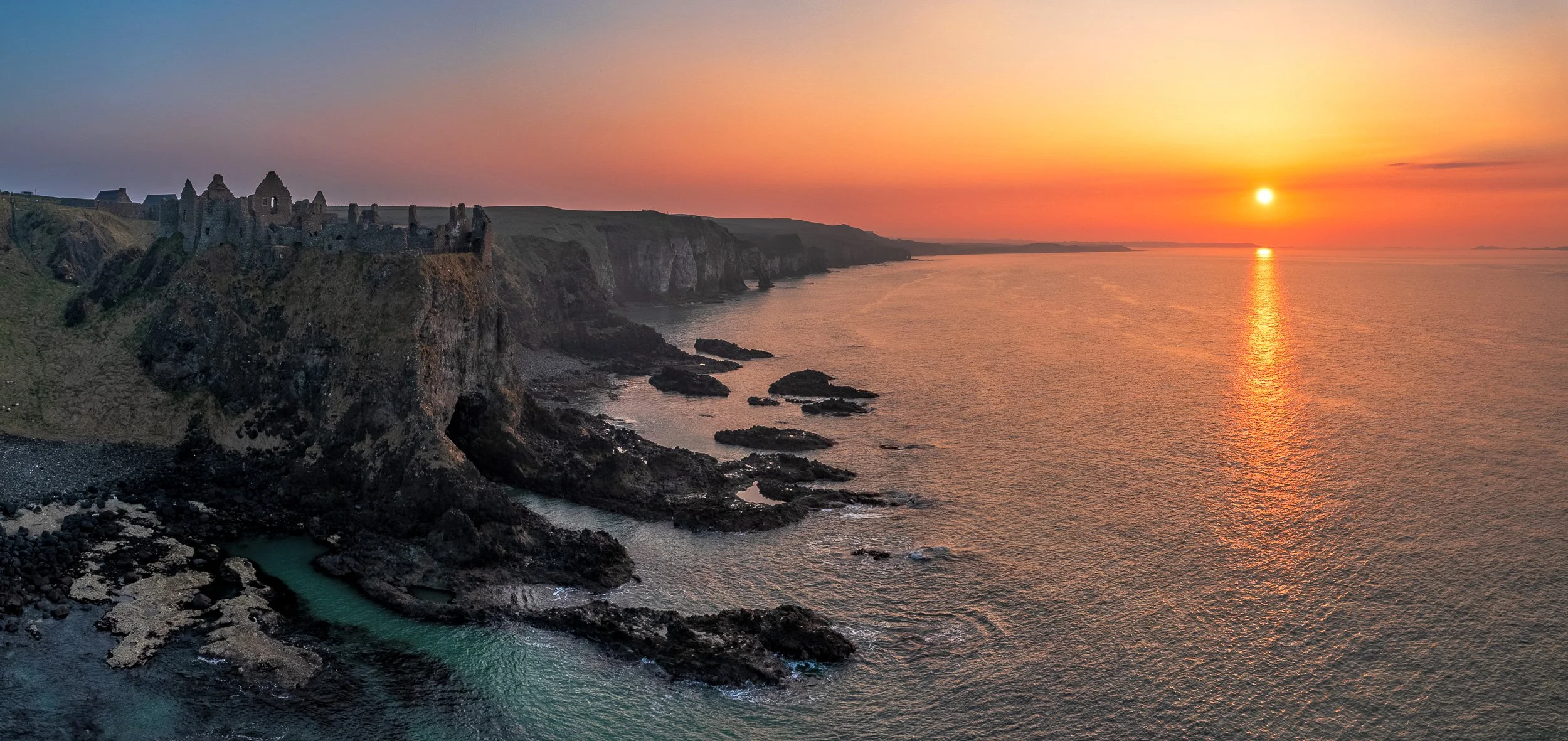
I am a landscape photographer and drone pilot based on the beautiful north coast of Ireland. My photography focuses on rugged landscapes, in particular coastlines, but also the varied landscapes of Europe, from the waterfalls of Iceland to the cypress trees of Tuscany.
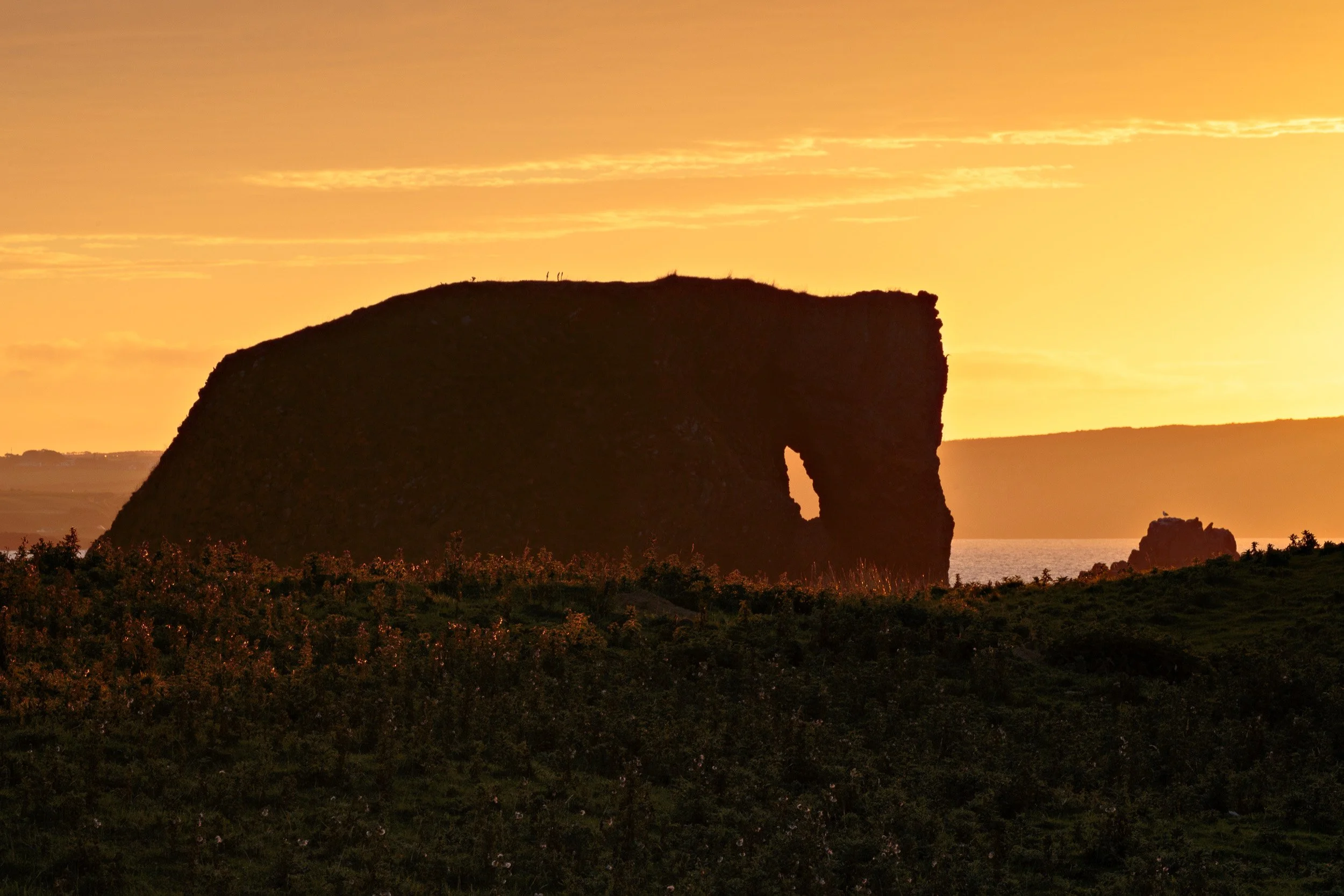
Much of my photography takes place during golden hour, when the sun is low in the sky, transforming the landscape and revealing shapes and textures not always seen. On the coastline of Ireland in particular, rapidly changing weather can make familiar locations look completely different on each visit. Some of my favourite conditions come just before or after a storm, when low sunlight breaks through the cloud and falls across the landscape.
Landscape photography often requires patience. I regularly return to the same locations, sometimes many times, waiting for the right combination of light and weather. Quite often I come home without the photograph I had hoped for, but that unpredictability is part of what makes it worthwhile.
Drone Landscape Photography
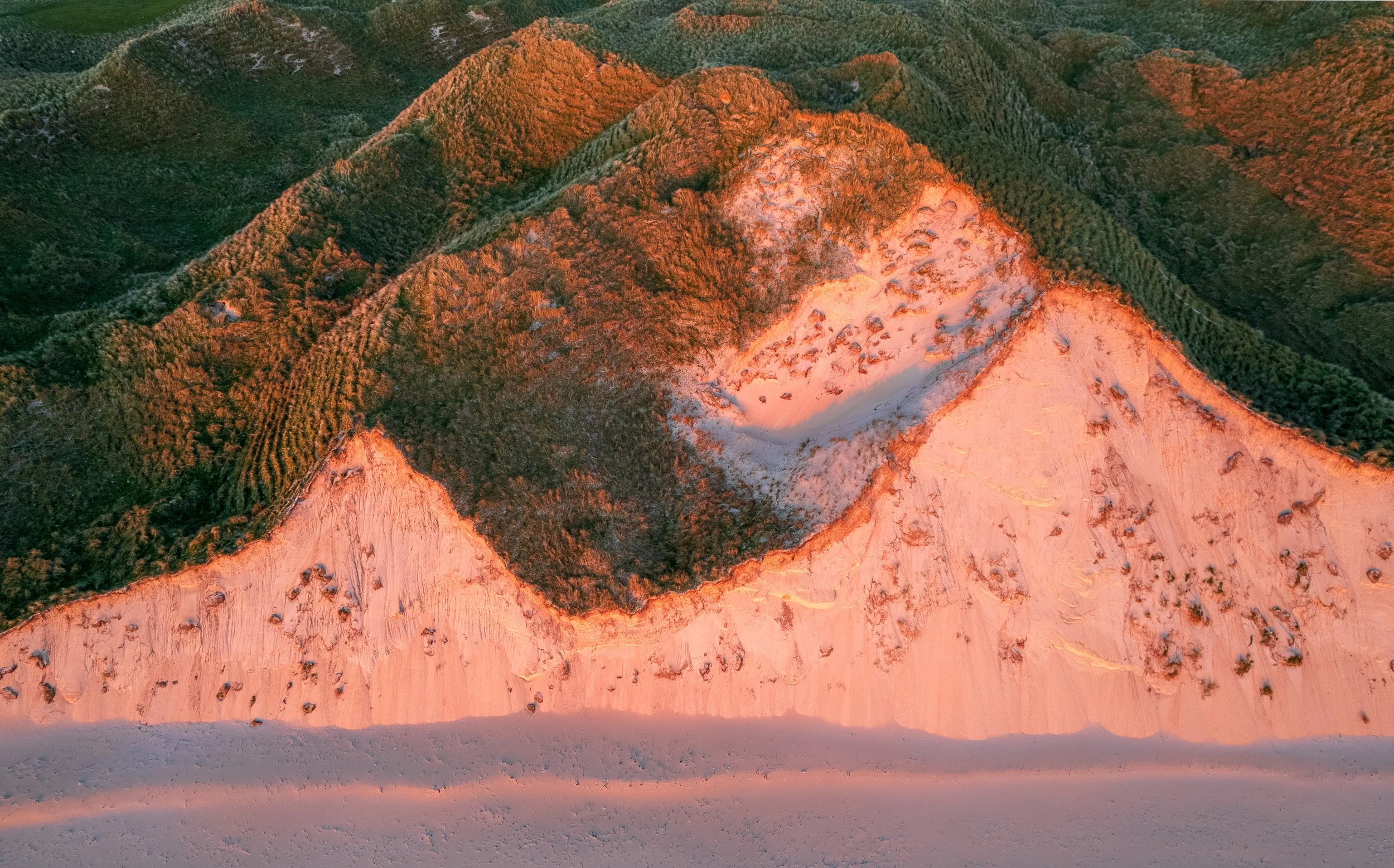
I have always had an interest in aviation and in seeing the world from above, so drones were a natural fit for my photography.
Although drones are often associated with top-down imagery, I tend to use mine more like a very tall tripod. I am usually looking for traditional landscape compositions, but from viewpoints that would be impossible to reach from the ground.
I particularly enjoy using the telephoto cameras on the DJI Mavic 3 Pro. The longer focal lengths allow me to compress different parts of the landscape together, creating compositions and relationships between shapes that are not always obvious to the naked eye.
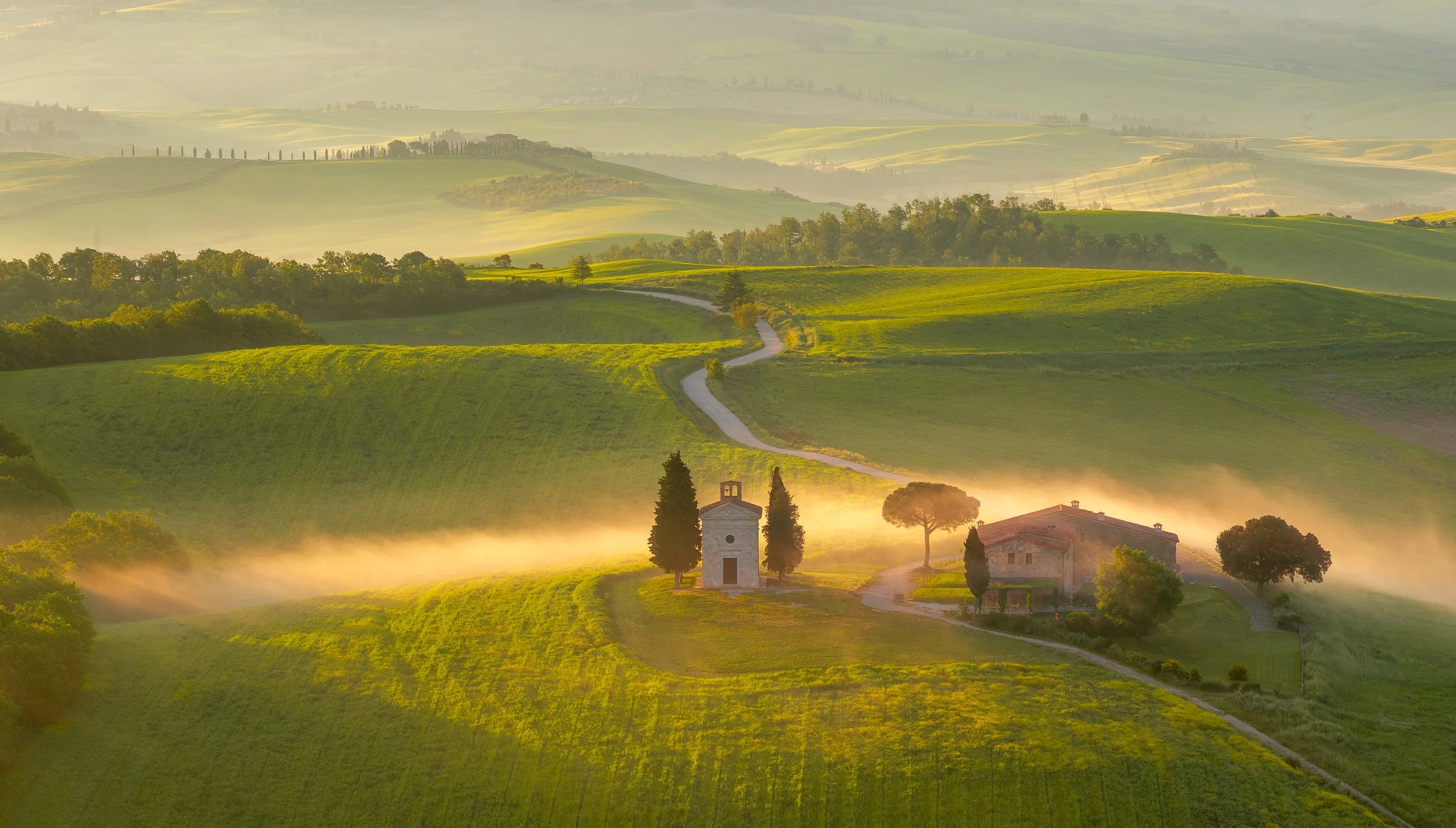
Image Quality
I take a lot of care in getting the best possible image quality from drone cameras. Their sensors are relatively small compared with larger camera systems, so good capture technique becomes particularly important.
I normally shoot RAW and make extensive use of bracketed exposures, particularly in high-contrast light. My aim is to preserve as much highlight and shadow detail as possible and give myself maximum flexibility when processing.
For me, though, the photograph still starts in the field. If the light is not there, no amount of editing can recreate the effect that good natural light has on a landscape. My processing aims to remain true to the scene and to preserve the colour and contrast of the light as I remember it.
Alongside the Mavic 3 Pro, I use a Fujifilm X-E5 with the Fujifilm 16–50mm, Fujifilm 70–300mm and Viltrox 9mm.
Real Photography
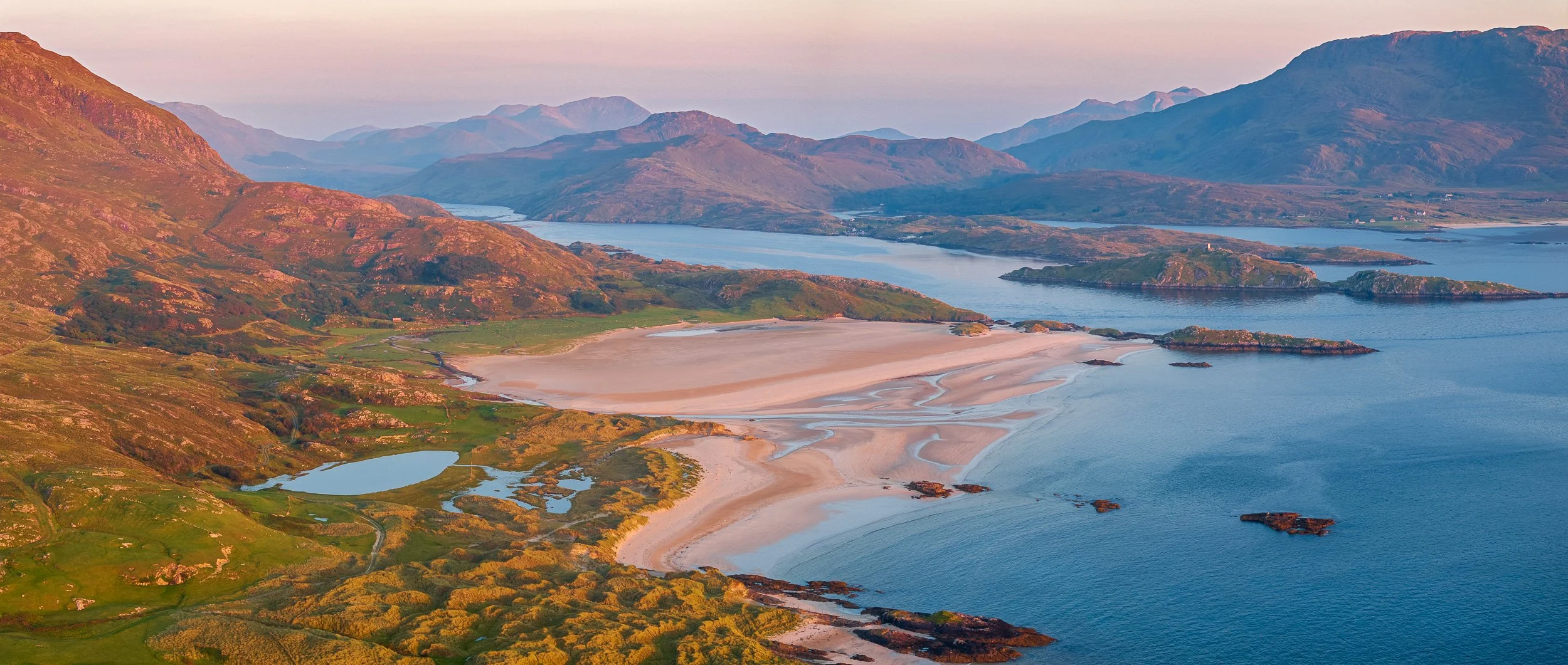
All of the photographs on Remote Horizons are photographs of real places, captured in real conditions. None of the images in my portfolio are AI-generated.
As AI-generated imagery becomes more realistic and widespread, I believe the integrity of photography will become increasingly important. Part of the value of a landscape photograph, to me, is knowing that the scene actually existed and that the light and weather shown in the image genuinely occurred.
Remote Horizons
The name Remote Horizons is a simple play on words, referring both to distant horizons and to the remote controller used to fly a drone.
The site is primarily a place to display my best landscape photography, but I also use the blog to share some of what I have learned about drone landscape photography, image quality, processing and working in the field.
I hope you enjoy the photographs and the articles. Comments and discussion are always welcome, and if you would like to get in touch about anything relating to Remote Horizons, please feel free.
The photographs are best viewed on a larger screen where the detail in the landscapes can be properly appreciated.